Sustainability: Is it an exhausted word in design?
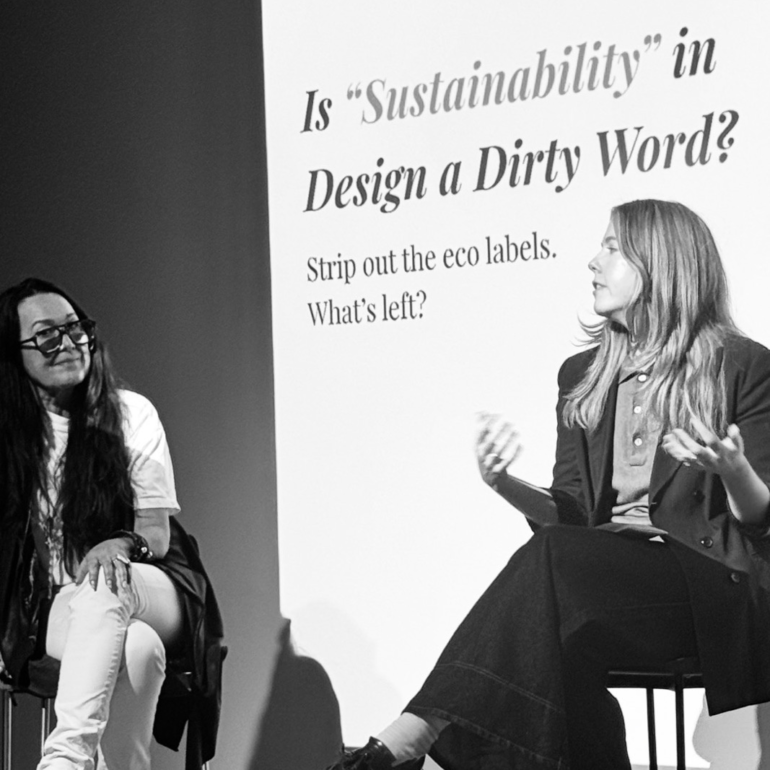
Last week the Authentic Design Alliance (ADA) hosted a talk asking a blunt question: has “sustainability” in design become an exhausted word?
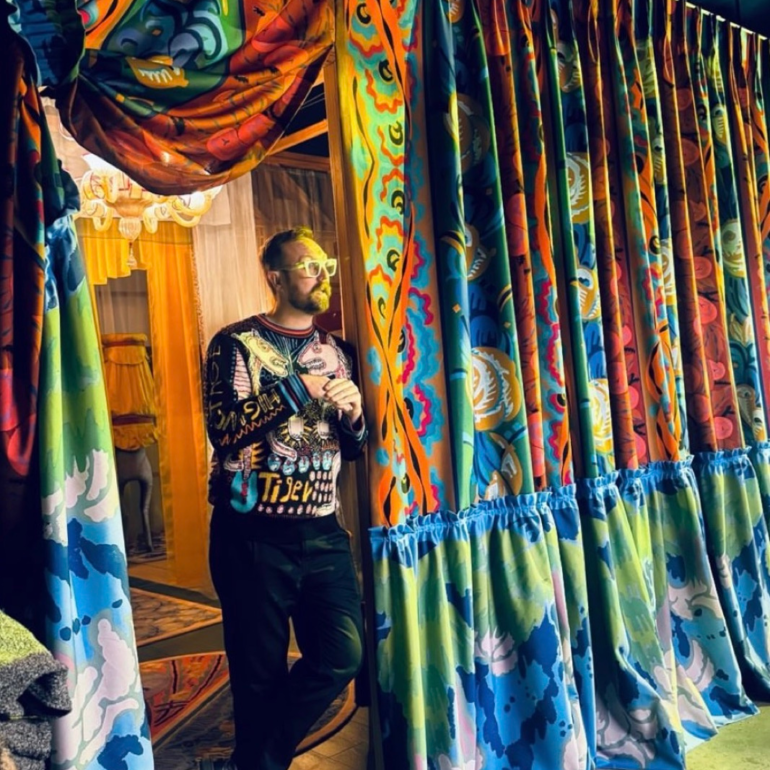
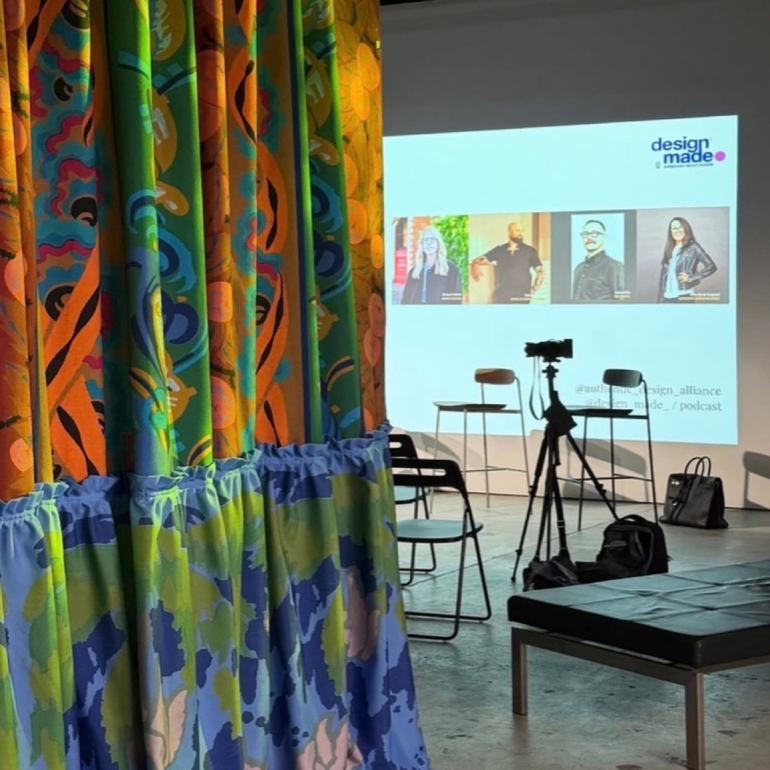
At Artbank, Collingwood on Thursday 16 July 2026, the event also offered guests an exclusive tour of RE:BORN, an exhibition pairing Cultivated with Australian fashion icons Romance Was Born.
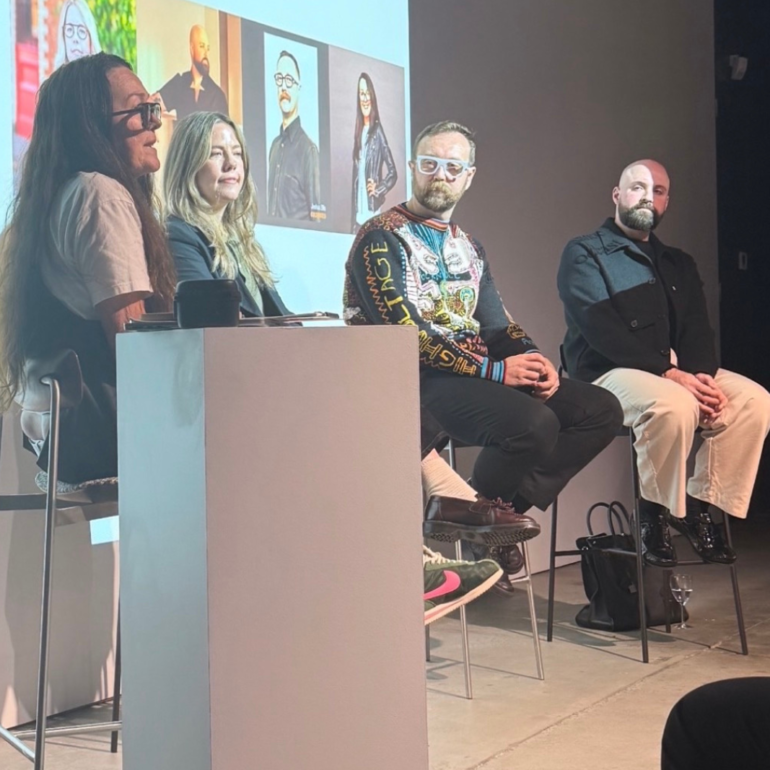
Four panellists offered four different, and largely aligned, views on what sustainable design actually requires, presented to a lively, well-attended crowd.
The Word Itself is Doing Damage
Aleesha Callahan, founder of the online publication About Futures, opened by naming the problem directly. The term “means everything and nothing at the same time,” and went further, arguing “it’s easy to just slap on the phrase and say, oh yeah, we’re sustainable.”
Callahan pointed to a counterintuitive example: a lifecycle assessment can show a plastic bag producing less carbon than a cardboard box, since less energy goes into making it, even though the bag is harder to recycle.
A timely reminder that sustainability claims rarely hold up to a single simple test.
Product Stewardship and Materials Built to Last and Be Repaired
Joshua Ellis, of Cultivated, brought a product stewardship lens. Commercial fit-outs typically run on seven-year tenancy cycles, and without a formal buy-back or reuse system, well-made furniture is routinely stripped out and binned.
He cited Marc Newson’s Qantas lounge tables, custom-designed for the 2007 Sydney Business lounge refit, as an example of pieces worth saving when a client thinks to ask.
His central point: only a well-made product can be repaired, so durability at the design stage is what makes stewardship possible later.
Durability, Product as a Service, and a Real Diversion Result
Anne-Maree Sargeant (AMS), Authentic Design Alliance, framed the durability question as garbage-in-garbage-out: a product designed to be replaced will always end up in landfill, no matter how it is marketed.
She pointed to Living Edge’s work with Australia Post, where roughly 4,500 pieces were reused, about 1,800 Mirra chairs were refurbished, and the project diverted an estimated 30,000 tonnes from landfill, saving close to $3 million.
She also explained the systemic failure in the commercial office and retail fit-out system: there is no inbuilt program to reuse or collect furniture at the end of tenancies, so usable, repairable furnishings are typically dumped in landfill.
AMS also raised Product as a Service (PAAS) as a growing model, where commercial fit-outs pay a fee for the use and servicing of furnishings throughout the duration of the tenancy. With PAAS, the provider retains ownership, oversees repair and servicing, and collects products at the end of the tenure. Both Living Edge and Koskella are good examples of this emerging model.
She also referenced the broader shift from cradle-to-grave thinking to cradle-to-cradle design, with designers and furniture brands aiming to keep materials in use and available for re-use.
A Specifier’s Counterpoint
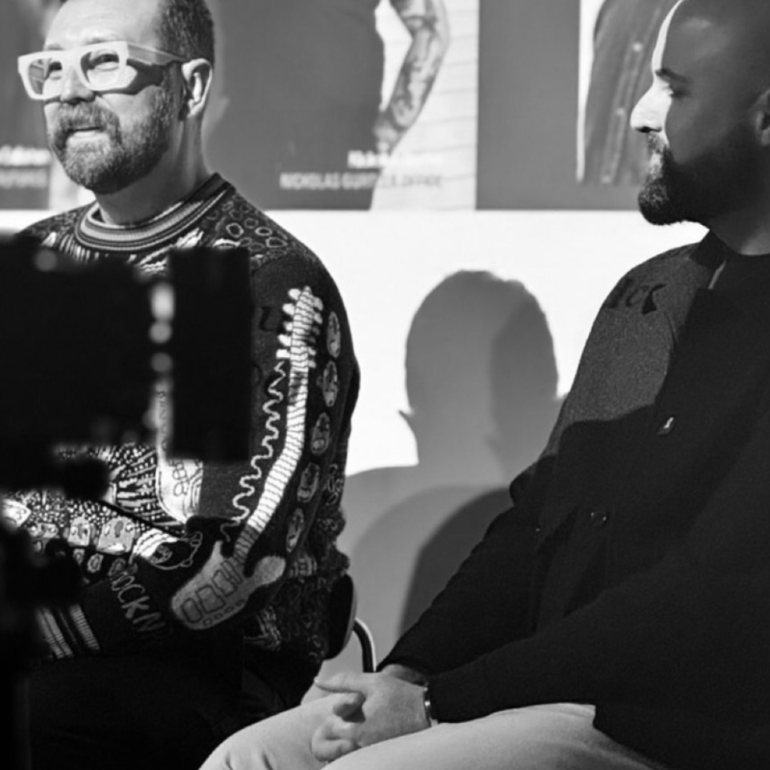
Nickolas Gurtler, of Nickolas Gurtler Office, offered the panel’s most direct pushback: many high-end clients are not sustainability-led at all, and cost or aesthetics usually drive the brief first.
His own specification preferences lean on durable, repairable materials such as stone, sourced locally where possible, and he voiced scepticism about “recycled” materials shipped long distances, arguing the transport cost can undercut the environmental case.
Key Takeaway
The four perspectives did not always agree on method, but they aligned on one point: sustainability is a design decision made early, not a label added later.
- Is sustainability just a marketing buzzword in design? Not necessarily, but panellists agreed the word is often used loosely. A single lifecycle assessment can’t capture a product’s full environmental impact, so vague sustainability claims rarely hold up to scrutiny.
- What is Product as a Service (PAAS) in furniture? A model where a provider retains ownership of furniture, handles servicing and repair, and collects the pieces at the end of a tenancy, instead of the client owning and eventually discarding them.
- How much furniture was diverted from landfill in the Living Edge and Australia Post project? Roughly 4,500 pieces were reused, including about 1,800 refurbished Mirra chairs, diverting an estimated 30,000 tonnes from landfill and saving close to $3 million.
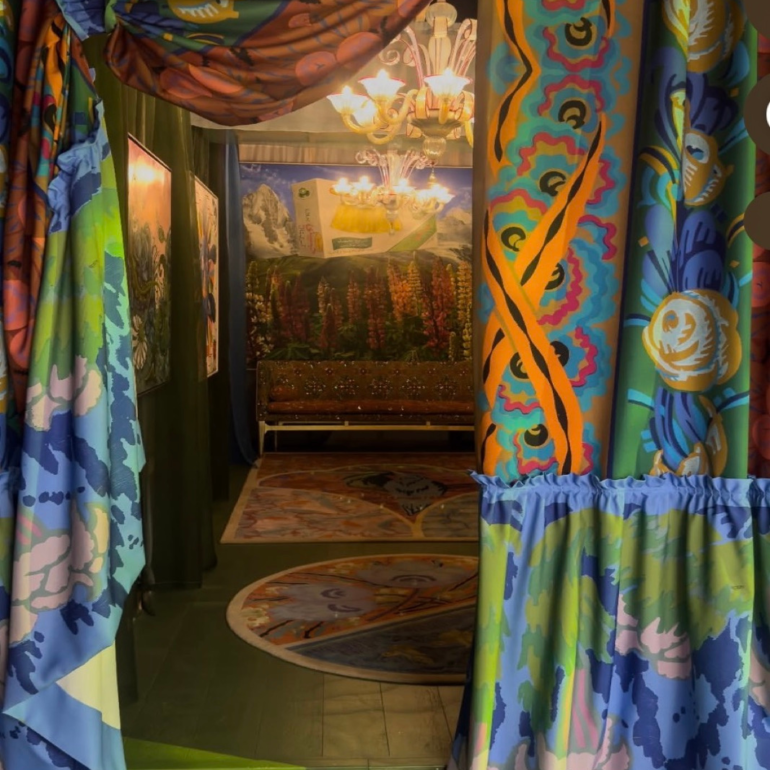
Proceeds from the RE:BORN talk support ADA’s ongoing advocacy work. Become an ADA member to keep these conversations coming.
Authentic Design Alliance members fund our advocacy and education. Discover which membership tier is right for you, or contact us to book a discovery call.
Book a 20-minute Discovery Call or register for future events
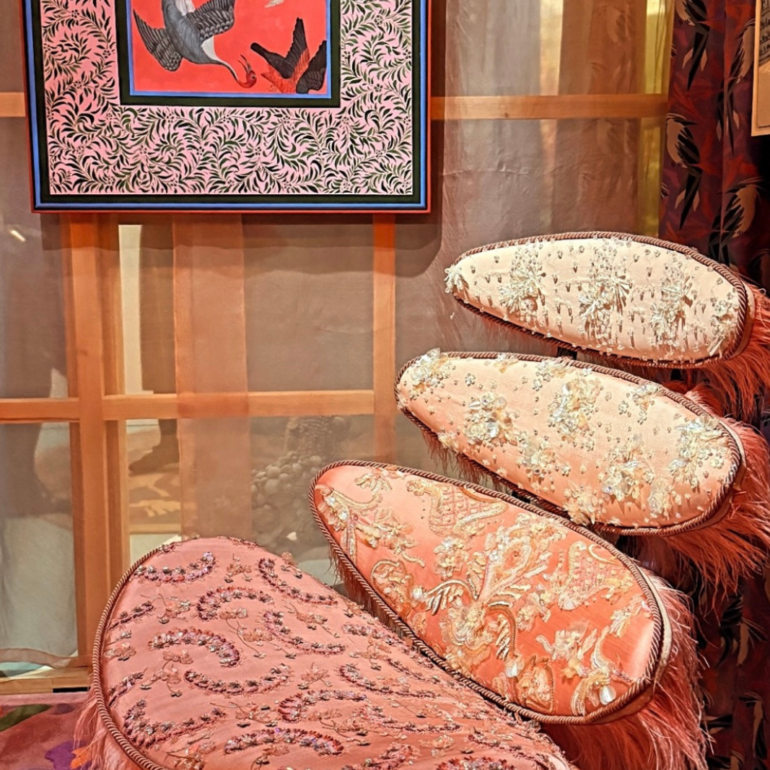
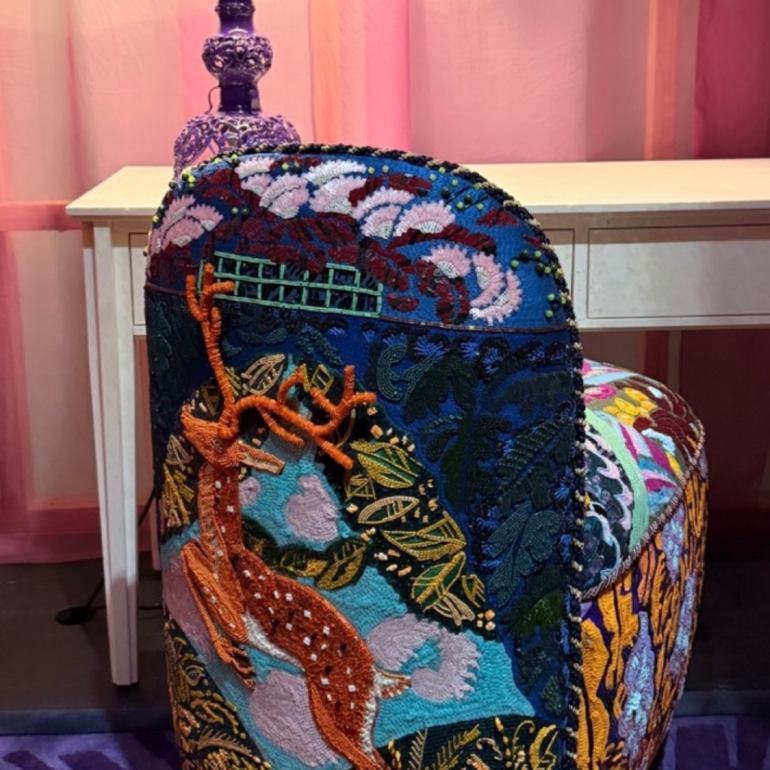
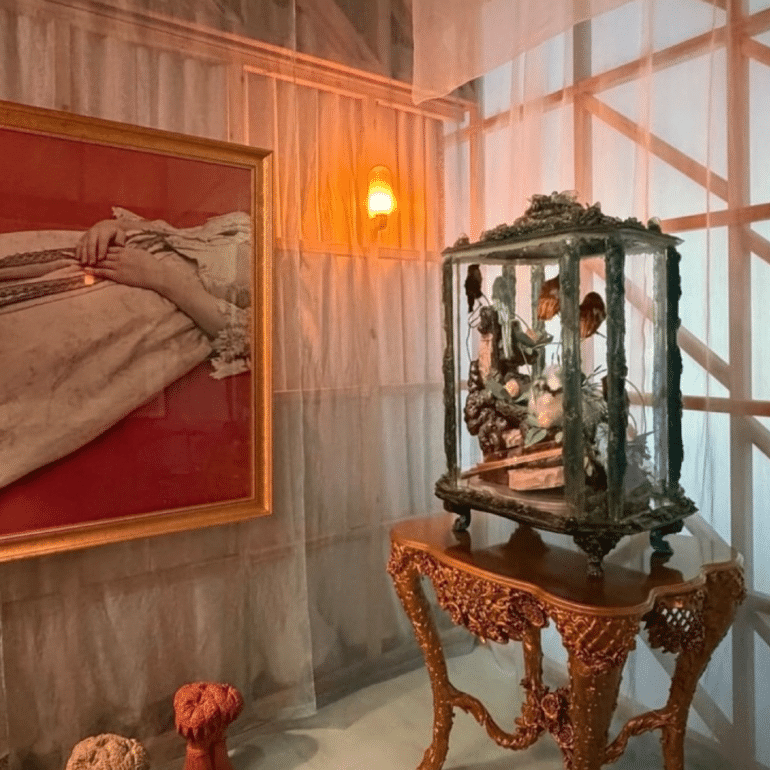
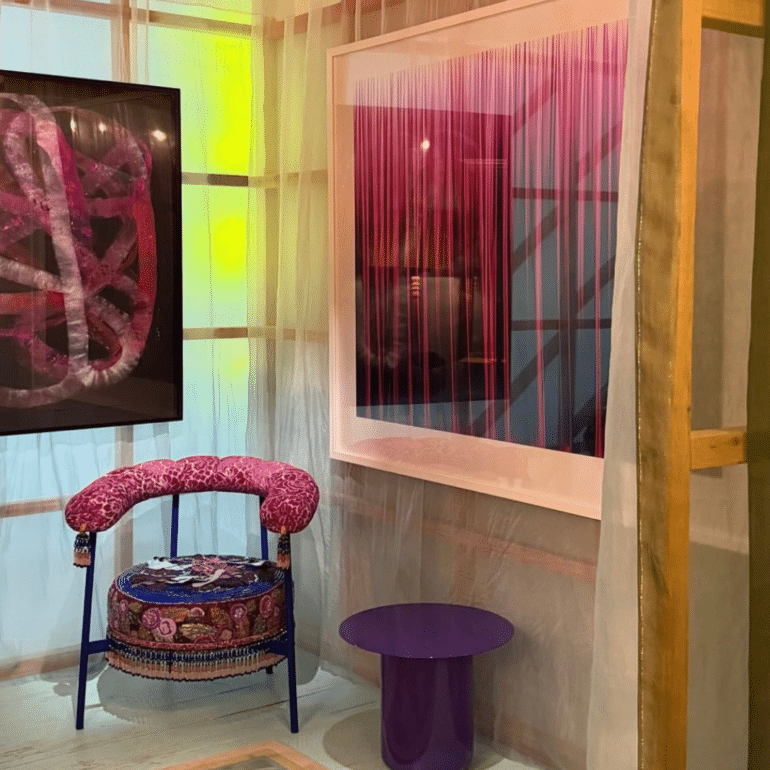
Images, Authentic Design Alliance and Eryca Green.