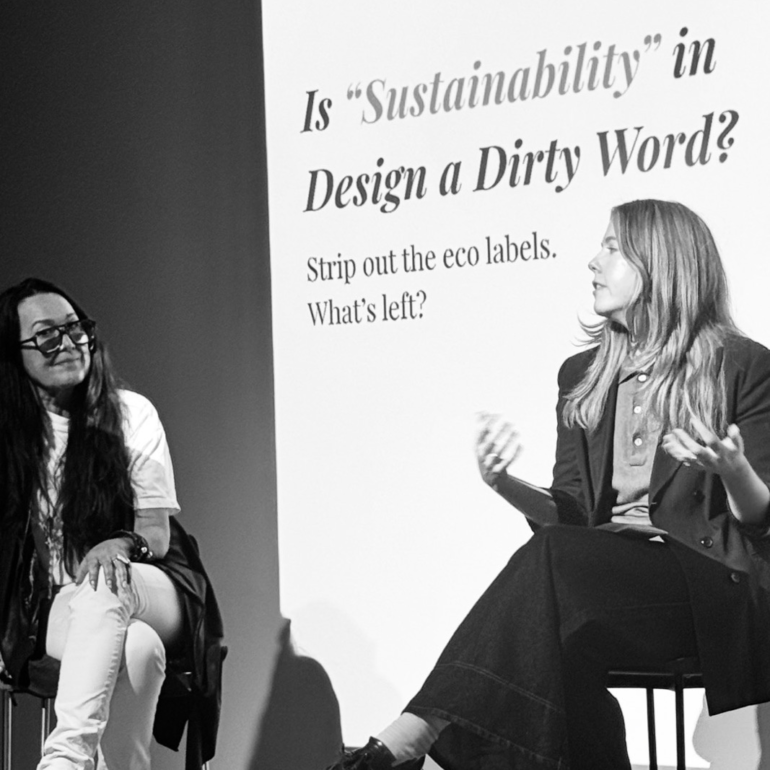
Sustainability: Is it an exhausted word in design?
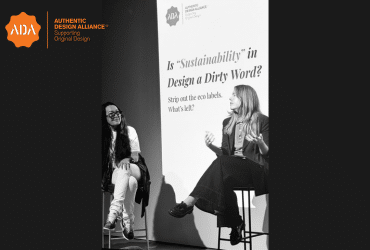
Last week, the Authentic Design Alliance (ADA) hosted a talk that asked: has “sustainability” in design become an exhausted word?
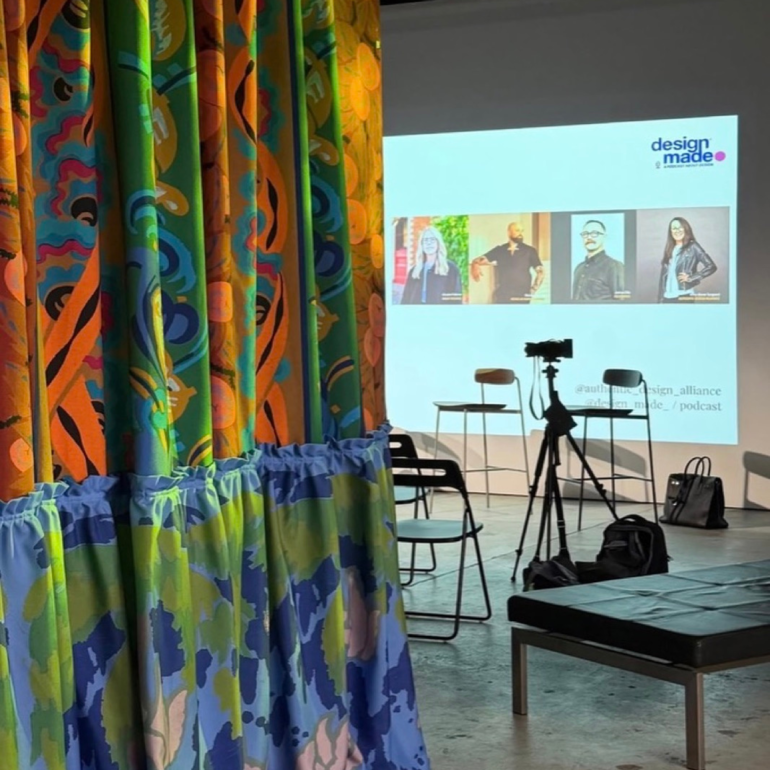
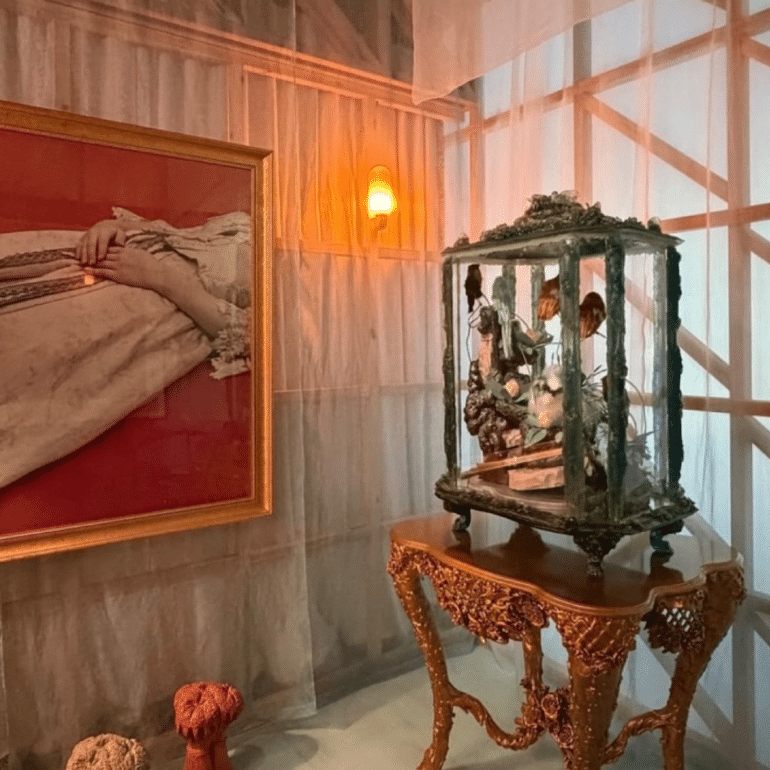
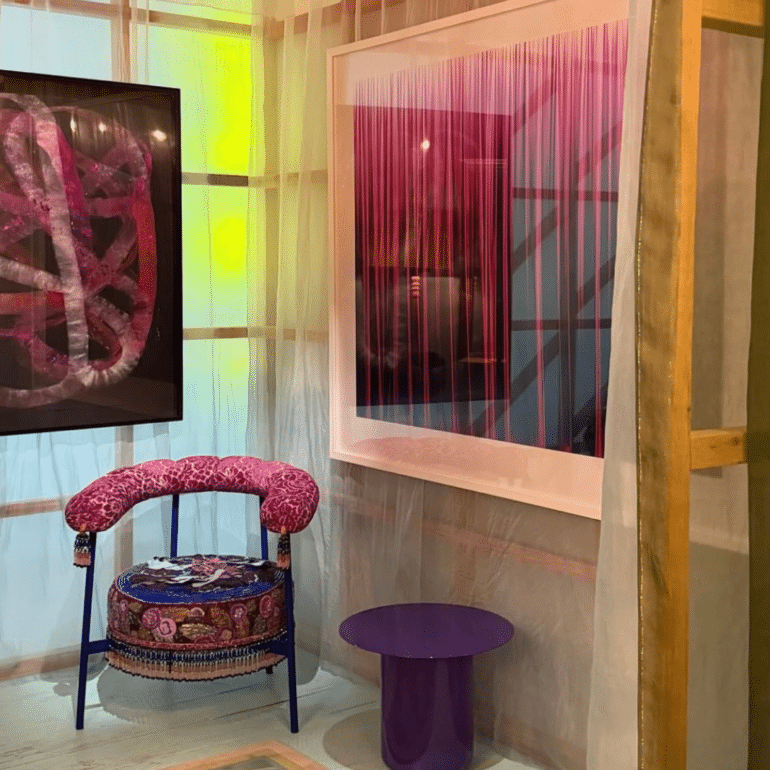
The event took place at Artbank, Collingwood, on Thursday 16 July 2026. Guests also had an exclusive tour of RE:BORN, an exhibition pairing Cultivated with Australian fashion icons Romance Was Born.
Four panellists offered four different, and largely aligned, views on what sustainable design actually requires. It was a lively, full room.
The Word Itself Is Doing Damage
Aleesha Callahan, founder of the online publication About Futures, opened by naming the problem directly. She said the term “means everything and nothing at the same time”. She went further: “it’s easy to just slap on the phrase and say, oh yeah, we’re sustainable.”
Callahan pointed to a counterintuitive example. A lifecycle assessment can show a plastic bag producing less carbon than a cardboard box. The bag takes less energy to make, but it is harder to recycle.
A timely reminder that sustainability claims rarely hold up to a single simple test.
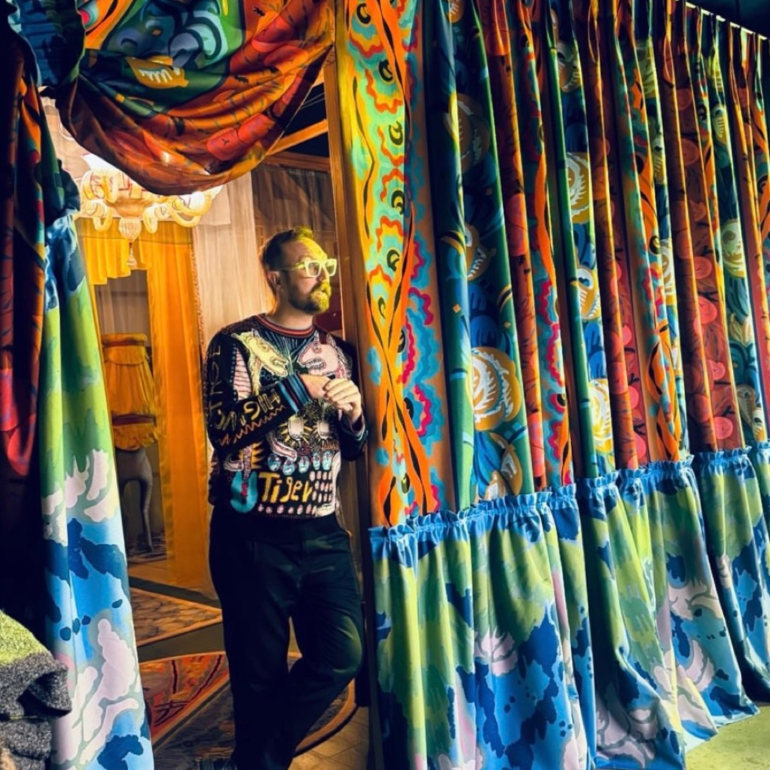
Product Stewardship and Materials Built to Last and Be Repaired
Joshua Ellis, of Cultivated, brought a product stewardship lens. Commercial fit-outs typically run on seven-year tenancy cycles. Without a formal buy-back or reuse system, fit-outs routinely strip out and bin well-made furniture.
He cited Marc Newson’s custom tables for the 2007 Qantas Sydney Business lounge refit as an example. They are pieces worth saving when a client thinks to ask.
His central point: you can only repair a well-made product. Durability at the design stage is what makes stewardship possible later.
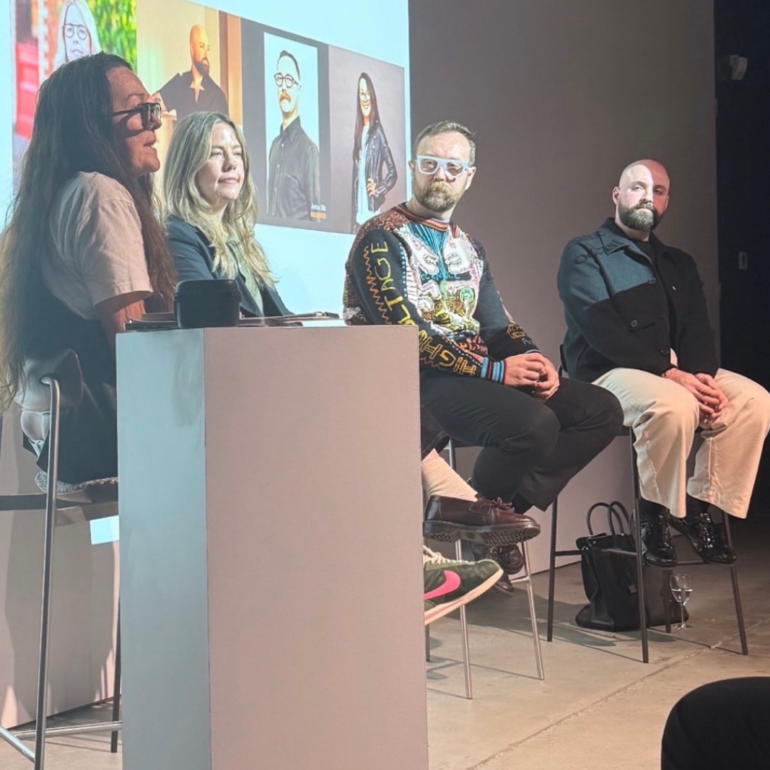
Durability, Product as a Service, and a Real Diversion Result
Anne-Maree Sargeant (AMS), Authentic Design Alliance, framed the durability question as garbage in, garbage out. A product designed for replacement will always end up in landfill, no matter how a brand markets it.
She pointed to Living Edge’s work with Australia Post. The project reused roughly 4,500 pieces and refurbished about 1,800 Mirra chairs. It diverted an estimated 30,000 tonnes from landfill and saved close to $3 million.
She also explained the systemic failure in commercial office and retail fit-outs. There is no inbuilt program to reuse or collect furniture at the end of a tenancy. Usable, repairable furnishings typically end up in landfill.
AMS also raised Product as a Service (PAAS), a growing model for commercial fit-outs. The client pays a fee for the use and servicing of furnishings for the length of the tenancy. With PAAS, the provider retains ownership, oversees repair and servicing, and collects products at the end of the tenancy. Both Living Edge and Koskela are good examples of this emerging model.
She also referenced the broader shift from cradle-to-grave thinking to cradle-to-cradle design. Designers and furniture brands aim to keep materials in use and available for reuse.
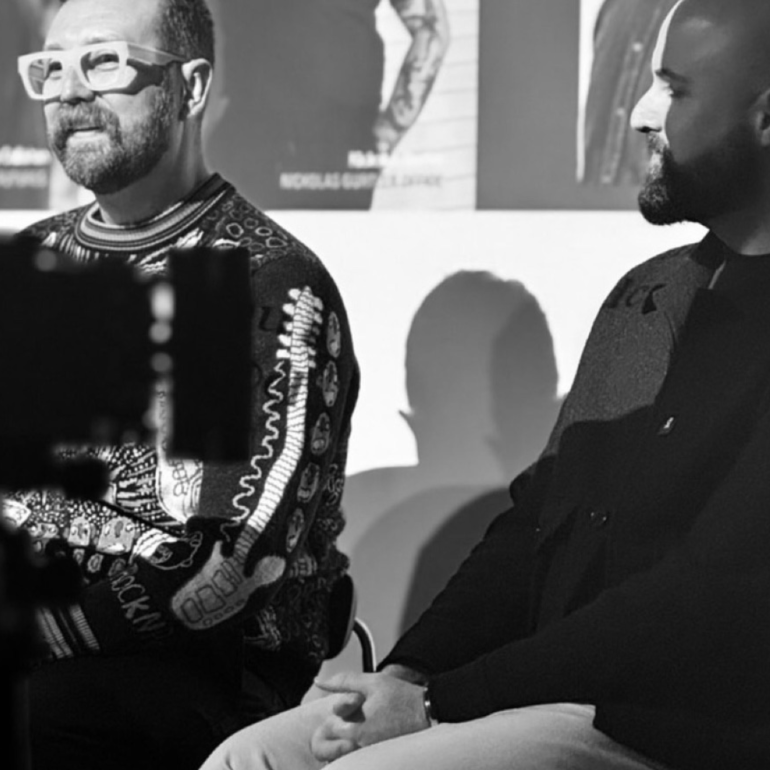
A Specifier’s Counterpoint
Nickolas Gurtler, of Nickolas Gurtler Office, offered the panel’s most direct pushback. Many high-end clients are not sustainability-led at all, and cost or aesthetics usually drive the brief first.
His own specifications lean on durable, repairable materials such as stone, sourced locally where possible. He voiced scepticism about “recycled” materials shipped long distances, arguing the transport cost can undercut the environmental case.
Key Takeaway
The four perspectives did not always agree on method. They aligned on one point: sustainability is a design decision you make early, not a label you add later.
- Is sustainability just a marketing buzzword in design? Not necessarily, but panellists agreed people often use the word loosely. A single lifecycle assessment can’t capture a product’s full environmental impact, so vague sustainability claims rarely hold up to scrutiny.
- What is Product as a Service (PAAS) in furniture? A model where the provider owns, services and repairs furniture, and collects it at the end of a tenancy. The client never owns or discards it.
- How much furniture did the Living Edge and Australia Post project divert from landfill? The project reused roughly 4,500 pieces, including about 1,800 refurbished Mirra chairs. It diverted an estimated 30,000 tonnes from landfill and saved close to $3 million.
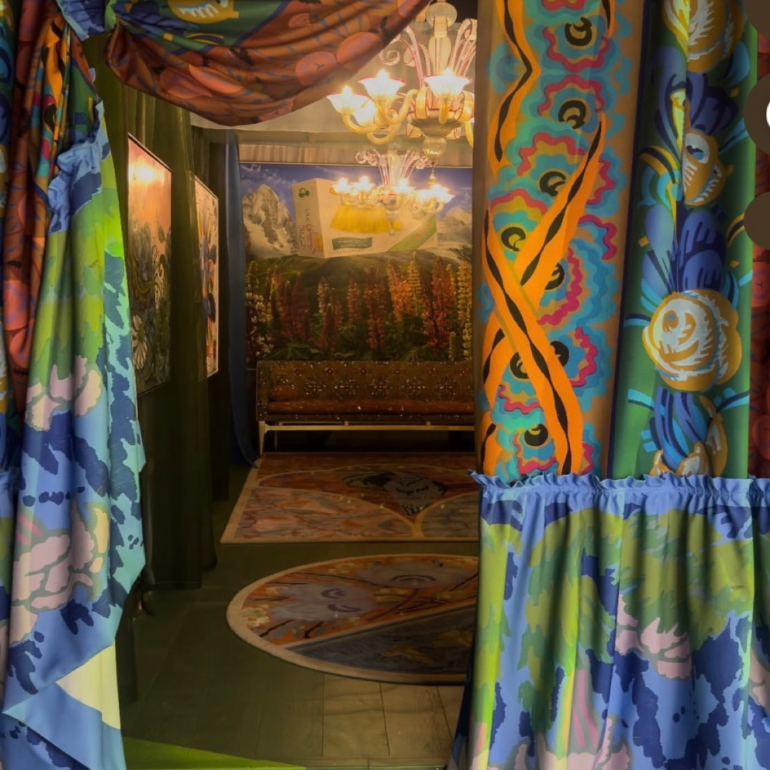
Proceeds from the RE:BORN talk support ADA’s ongoing advocacy work. Become an ADA member to keep these conversations coming.
Authentic Design Alliance members fund our advocacy and education. Discover which membership tier is right for you, or contact us to book a discovery call.
Book a 20-minute Discovery Call or register for future events
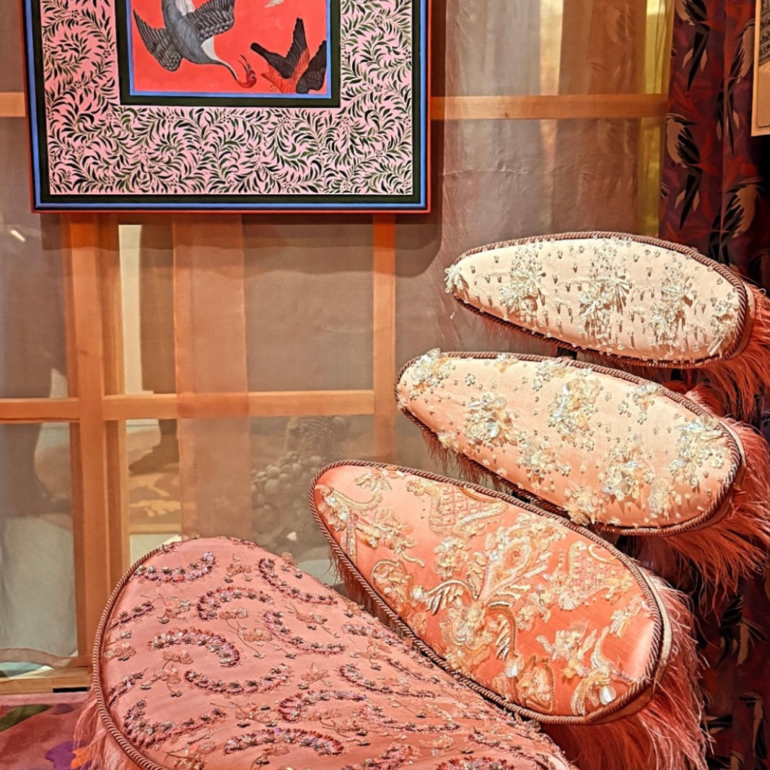
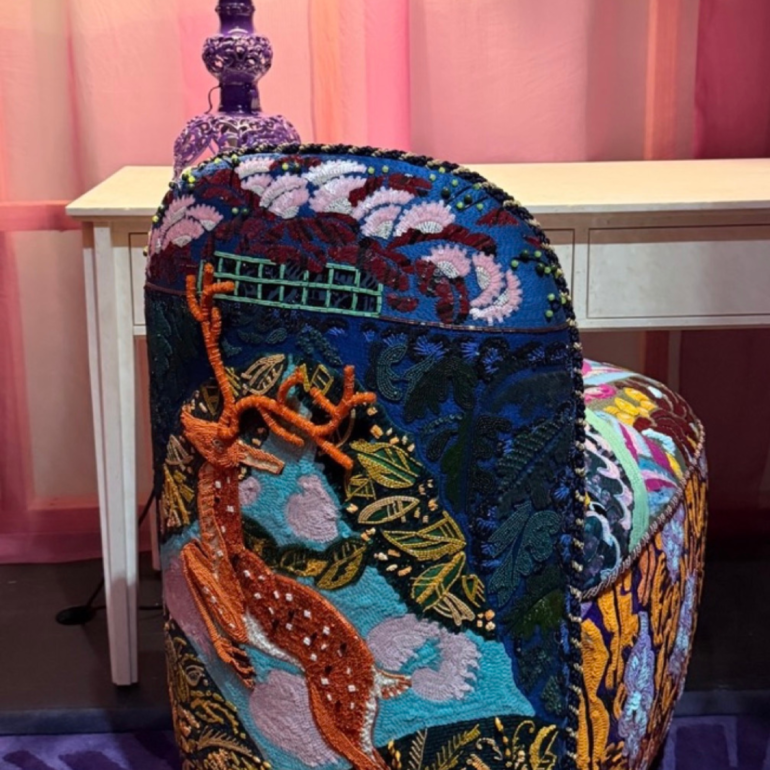
Images: Authentic Design Alliance and Eryca Green.